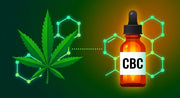
Hemp is more than just CBD and THC: the plant contains over a hundred different cannabinoids, some of which are only now beginning to attract the public’s attention.CBC, or cannabichromene, is one of these molecules that are still relatively unknown but are increasingly found in so-called “full-spectrum” formulations.
CBC, a cousin of CBD in the cannabinoid family
It is found, in particular, in certain full-spectrum extracts, such as this CBD discovery pack, which allows you to explore several types of extracts in a single order. Cannabichromene shares the same biochemical origin as CBD and THC: all three are derivedfrom a common precursor found in the hemp plant, CBGA, which is then converted into different cannabinoids depending on the enzymes activated during the plant’s growth. Unlike THC, CBC has no psychoactive effects: it does not alter perception or consciousness, which places it in the same category as CBD in this specific regard.
How CBC Ends Up in Commercial Products
CBC is almost never sold on its own: it is generally present in small quantities in “full-spectrum” or “broad-spectrum” extracts, alongside CBD and other minor cannabinoids. Its concentration varies greatly from one hemp strain to another and depending on the extraction process used by the manufacturer. To understand the differences between these types of extracts, the distinction between CBD and CBDA illustrates a similar conversion mechanism among cannabinoids, which helps contextualize CBC within this group.
What Current Research Shows About the CBC
Studies on cannabichromene remain significantly fewer in number than those conducted on CBD, but the available data suggest a possible entourage effect: cannabinoids may work more effectively together than when taken in isolation. This hypothesis, which is still debated within the scientific community, partly explains brands’ growing interest in full-spectrum extracts, alongside CBD isolate alone.
Why Some Excerpts Highlight the CBC
Manufacturers who highlight CBC in their product descriptions generally emphasize this “full-spectrum” approach, where each minor cannabinoid contributes to the product’s overall balance. This is a different approach from that of pure isolate, which retains only the CBD molecule, isolated from everything else. A sample pack allows you to compare several types of extracts (full-spectrum oil, isolate, flowers) and identify the differences in composition from one product to another.
Is CBC legal?
CBC is subject to the same regulatory framework as other non-psychoactive cannabinoids derived from hemp: its legality depends primarily on the residual THC level in the finished product—which is governed by a specific threshold set at the European level—and not on CBC itself, which is not subject to any specific restrictions at this time.
A minor cannabinoid, but not an insignificant one
CBC remains a minor cannabinoid with no psychoactive effects, and its exact role continues to be studied by researchers. It is now possible tobuy CBD in the form of full-spectrum extracts, which naturally contain CBC along with CBD and other cannabinoids found in hemp. Its presence in a full-spectrum extract is primarily evidence of an extraction process that preserves as many of hemp's natural compounds as possible.