CBD is gaining increasing popularity, and for good reason: its potential effects on well-being, sleep, and stress management make it an increasingly sought-after product. But as with any active substance, it’s reasonable to ask questions about its actual risks. Is CBD really safe? What are the reported side effects? And in what situations should you exercise extra caution? Here’s what we actually know, without exaggeration or downplaying the risks. Many of our readers are just discovering our online CBD store while looking for answers to these very questions.
CBD and THC: Two Very Different Cannabinoids
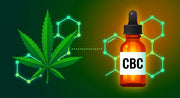
Before discussing the risks, a quick vocabulary note is in order. CBD (cannabidiol) and THC (tetrahydrocannabinol) are both cannabinoids naturally found in hemp, a plant belonging to the species Cannabis sativa L. whose THC content is less than 0.2%. But their effects differ radically.
THC is a psychotropic substance: it alters perception, mood, and consciousness. CBD, on the other hand, has no psychotropic effects. It can nevertheless be described as psychoactive in the broad sense, since it crosses the blood-brain barrier and acts on the brain, but without causing euphoria or altering consciousness. This distinction is essential to understanding its risk profile, which is quite different from that of recreational cannabis.
Legal CBD products contain less than 0.3% THC. This low concentration does not produce any psychoactive effects, but it can, in some cases, leave detectable traces in the blood or saliva. This is an important point to be aware of, especially when it comes to driving: even traces of THC resulting from the legal use of CBD can constitute a violation, with no minimum threshold for detection. This is a real risk that is often overlooked.
Reported Side Effects: What the Research Says
CBD is generally well tolerated, but that does not mean it is free of side effects. Several studies have identified possible reactions, particularly at high doses. Among the most commonly reported side effects are fatigue, digestive issues (nausea, diarrhea), changes in appetite, and dizziness.
Tolerance tolerance to CBD varies greatly from person to person. Some people experience no noticeable effects, even at high doses, while others are very sensitive to even small amounts. There is no one-size-fits-all dosage, which is precisely why it is recommended to start with low doses and adjust gradually.
Another point to watch out for is drug interactions. CBD is metabolized by the liver using the same enzymes (cytochrome P450) as many common medications. It can therefore alter how certain medications are absorbed or eliminated by the body, potentially increasing or decreasing their effectiveness. If you are taking any medications, it is essentialto talk to your doctor before using CBD.
Risks Associated with Consumption Patterns
The way CBD is consumed plays a key role in its risk profile. Capsules or infusions generally have a very different risk profile than inhalation. For those considering smoking CBD safely, it’s important to be aware that combustion—regardless of the substance—produces compounds that are harmful to the respiratory tract. The risks associated with smoke (tar, carbon monoxide, bronchial irritation) also apply to CBD flowers.
Vaping is often presented as a less harmful alternative to direct combustion, but it is not without risks either. CBD e-liquids and cartridges, for example, may contain additives or flavorings whose long-term health effects have not yet been sufficiently documented. No method of inhalation can be considered completely harmless.
CBD-based creams, balms, and other cosmetic products, on the other hand, pose a much lower risk, since very little CBD is absorbed into the bloodstream through the skin. These are often the most well-tolerated forms of consumption.
At-risk populations and special precautions
Some people need to be especially careful. Pregnant or breastfeeding women are generally advised against using CBD, as there is insufficient data on its safety in these situations. Children and adolescents are also a group for whom caution is warranted, as their endocannabinoid system is still developing.
People with liver disorders should also exercise caution, since CBD is metabolized by the liver and, at high doses, can affect liver enzymes. This risk has been documented, in particular, in studies of Epidyolex, a CBD-based medication approved for certain forms of epilepsy.
Finally, people with low blood pressure, severe anxiety disorders, or those taking blood thinners should always consult a healthcare professional before incorporating CBD into their daily routine. CBD is not a medication, and it should not be considered a substitute for prescribed medical treatment.
Product quality: an often-overlooked risk factor
An often-underestimated danger does not come from CBD itself, but from the variable quality of products available on the market. A poorly formulated product—one contaminated with pesticides or heavy metals, or containing THC levels above legal limits—can pose risks far greater than those of high-quality CBD. That is why it is advisable to choose products tested by independent laboratories, with certificates of analysis (COAs) that are accessible and traceable.
For professionals or resellers who want to offer reliable products to their customers, sourcing affordable wholesale CBD from a transparent and certified source is a key step in ensuring the safety of end consumers. If you choose to inhale, our guide to smoking CBD safely explains how to minimize these risks.
In summary, CBD is not a harmless substance, but its risks are quite different from those associated with recreational cannabis or synthetic cannabinoids. Informed use—tailored to one’s health profile and based on high-quality products— remains the best way to minimize risks. If in doubt, a doctor or healthcare professional is always the best person to consult.