Along with hemp flowers, CBD oil is undoubtedly the most sought-after product right now. Available in various concentrations and as different types of extracts, it appeals to both connoisseurs and those who are simply curious. But how can you tell if a CBD oil is trustworthy? Here are the questions we recommend you ask yourself before placing an order.

5 Questions to Ask Yourself Before Buying CBD Oil
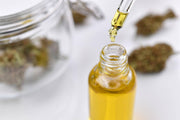
CBD is a fat-soluble molecule: it dissolves in fats but not in water. That’s why hemp extract is mixed with a vegetable oil to create the product you’re familiar with. While the principle is simple, each manufacturer makes its own choices. Here are 5 questions to help you understand.
1. Where does hemp come from?
It all starts in the field. in the UK — only hemp varieties listed in official catalogs and with a THC content not exceeding 0.3% may be grown and used. A transparent label indicates the country of origin of the hemp and, ideally, the cultivation method. Hemp is known to absorb whatever is in the soil; therefore, growing it without pesticides in healthy soil is a real plus.
At CBDSol, we prioritize affordable CBD oils whose origin we know, so that the low price never comes at the expense of traceability.
2. How was the CBD extracted?
There are several methods for separating CBD from the plant. Supercritical CO₂ extraction uses pressurized carbon dioxide: it is a clean process that leaves no residue, but requires expensive equipment. Ethanol extraction is more widely used and yields good results, provided that the solvent is completely removed afterward.
Other methods use harsher solvents, which may leave traces behind. If the label or product information sheet doesn’t mention the extraction method, don’t hesitate to ask the brand.
3. What type of extract is in the bottle?
Three main categories make up the market. Full-spectrum products retain all of the compounds found in hemp: CBD, other cannabinoids, terpenes, and a small amount of THC below the legal threshold. Broad-spectrum products retain this diversity while removing the THC.Isolates contain only pure CBD.
If you're looking for a full-spectrum extract, our full-spectrum CBD oil clearly states that. To compare the three formats in detail, check out our guide to the different types of CBD extracts.
4. What is the carrier oil?
CBD extract is diluted in a vegetable oil—such as hemp seed oil, olive oil, coconut oil, or another type. This choice affects the product’s texture, color, and shelf life. Hemp seed oil has the advantage of coming from the same plant, while other oils are chosen for their long-term stability.
Whatever it may be, the carrier oil must be listed in the ingredients. A label that omits this information deprives you of essential information.
5. Are laboratory tests available?
This is the question that allows us to verify all the others. An analysis report prepared by an independent laboratory confirms the stated CBD content and ensures that the THC content complies with regulations—it must not exceed 0.3% in hemp extracts and products containing them. The most comprehensive analyses also test for pesticides, heavy metals, and solvent residues.
To understand what the percentages listed in these documents mean, check out our article on CBD oil concentrations —it explains everything.
Please note that CBD oil is not suitable for all uses:
Our oils are labeled “This product is not intended for food use, ” and we ask that you respect this label. In Europe, CBD and hemp extracts fall under the Novel Food Regulation and have not yet been authorized. Also, avoid vaporizing CBD oil: its carrier oil is not designed to be heated and inhaled, which can be harmful. Finally, CBD oil is not recommended for pregnant or breastfeeding women, and anyone currently taking medication should consult their doctor. Once you’ve chosen your bottle, store it in a cool, dark place, out of reach of children and pets, as explained in our guide to properly storing CBD oil.